
Temperature Inversions and Winter Air Quality in Alberta

Why Winter Air Can Sometimes Feel Worse
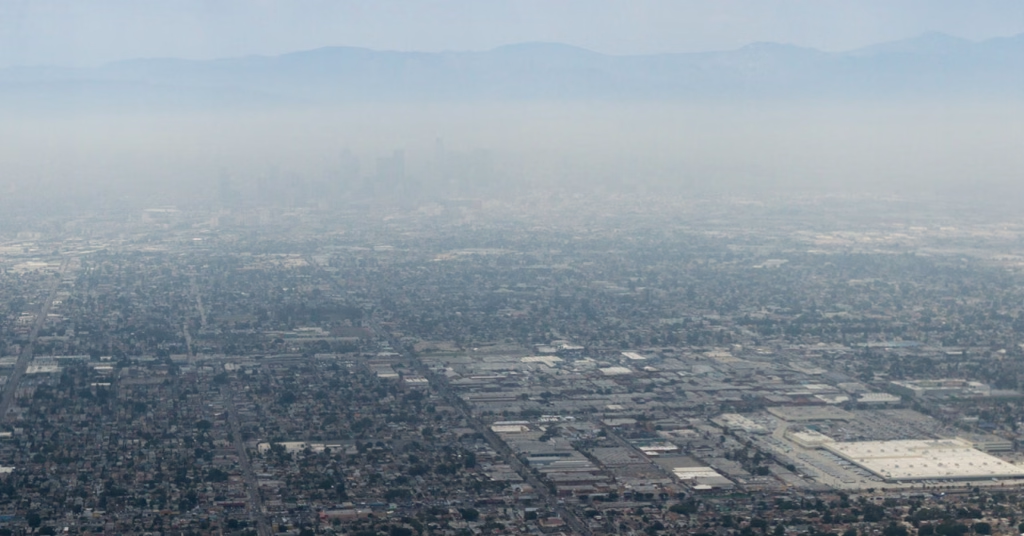
Many Albertans are familiar with wildfire smoke as the main cause of poor air quality. But in winter, another natural phenomenon can also lead to elevated AQHI values. This is called a temperature inversion, and it happens when cold air near the ground becomes trapped under a layer of warmer air above it. When this occurs, emissions from vehicles, home heating, and industry cannot rise and disperse as they normally would.
On very cold days, this trapped air can look like low-hanging fog or mist. It is a visible sign that the atmosphere is not mixing well, and that pollutants may be accumulating near the surface.
How Inversions Form
Inversions are most common during stable winter weather. High-pressure systems often create the right conditions. Clear skies allow the ground to lose heat quickly at night, cooling the air near the surface faster than the air above. When winds are light, this cold air remains trapped.
Winter adds several factors that make inversions more likely:
- Low sun angle reduces daytime warming
- Short daylight hours limit heating time
- Snow cover reflects sunlight and keeps the surface cold
- Snow insulates the ground, helping cold air linger
Once the warm layer forms above the cold air, it acts like a lid. Pollutants such as fine particulate matter (PM2.5), nitrogen dioxide (NO2), and volatile organic compounds (VOCs) remain concentrated near the ground. If levels rise enough, AQHI advisories may be issued.
What Alberta’s Airsheds See During Inversions
Airsheds across Alberta monitor air quality around the clock. During winter inversions, they often observe short-term increases in PM2.5 and other pollutants. These events are usually brief, and high or very high AQHI ratings remain uncommon. Under normal weather conditions, emissions disperse quickly and air quality returns to typical winter levels.
What You Can Do During an Inversion
While inversions cannot be prevented, small actions can help reduce pollutant buildup:
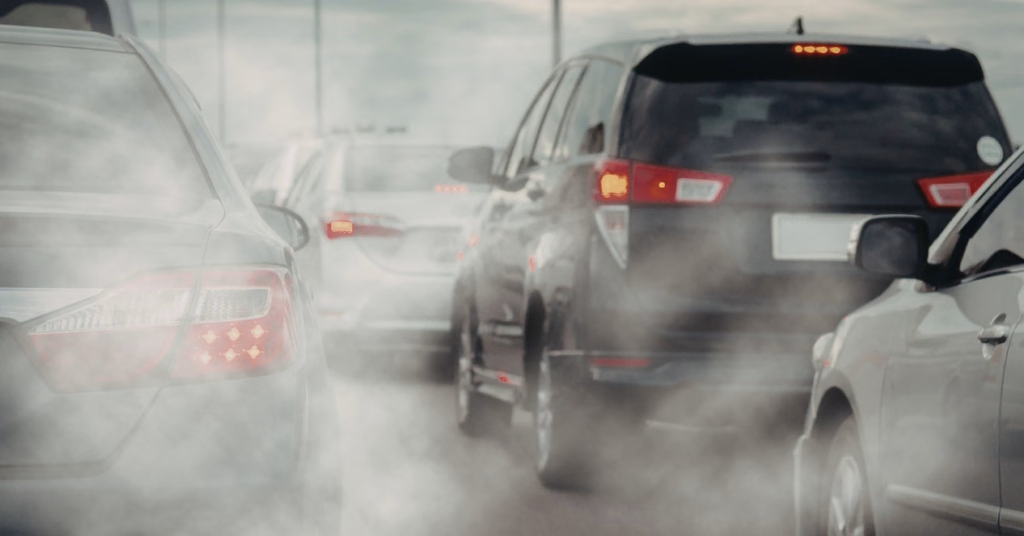
- Limit unnecessary vehicle idling
- Use energy-efficient heating options
- Avoid wood-burning appliances when possible
- Check your local AQHI if you have health concerns
The AQHI is available through the WeatherCAN app and on Alberta Airsheds’ websites. It provides current and forecast conditions so you can plan your day with confidence.
Temperature inversions are a normal part of winter on the prairies. By understanding how they work and how Alberta’s Airsheds monitor them, you can stay informed and make choices that support your health and your community.

Leave a comment
Could we add an image to show how the inversion happens?