
Wildfire Smoke Season is Here

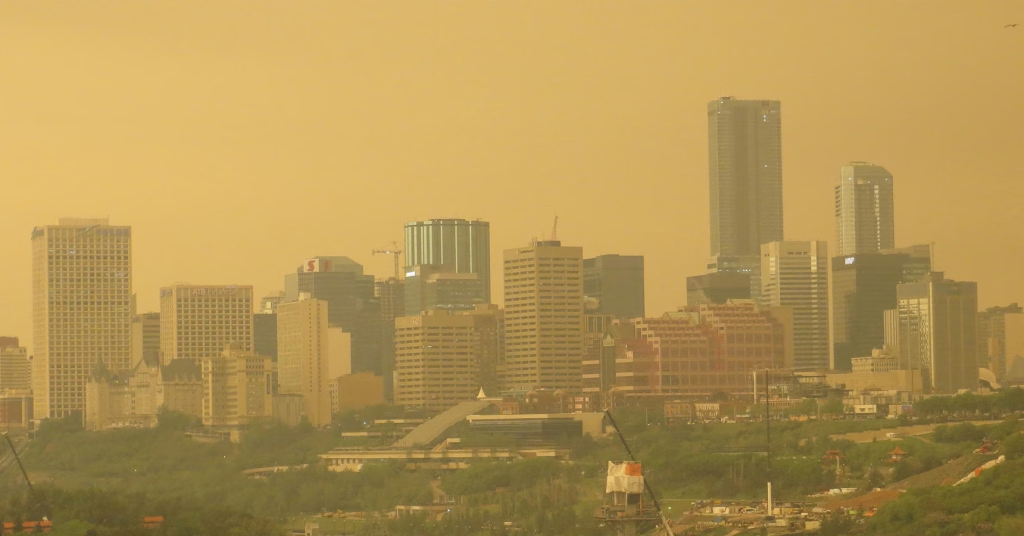
Wildfire smoke has become a familiar part of summer in Alberta. Whether you’re planning an activity outside, caring for kids or older adults, or just trying to understand what’s happening in the air, a little preparation can make smoky days easier to navigate.
Staying Informed: Your Go-To Smoke Resources
When smoke drifts into your community, it helps to know what’s happening both locally and across Alberta. These tools are easy to use and give you a clearer picture of what’s in the air.
Alberta Wildfire Status
If you want to know where fires are burning, this is the place to start. The Alberta Wildfire Status map shows active fires, wildfires of note, and updates from each forest area. It’s a quick way to understand the bigger picture.
FireSmoke Canada
This site is great for seeing where smoke is headed. FireSmoke Canada uses BlueSky Canada smoke forecasts to determine ground-level smoke (PM2.5) up to 48 hours in advance. If you’re wondering whether tomorrow will be a “stay inside” kind of day, this forecast helps you plan.
Live Air Data Map
For current air quality conditions, the Live Air Data Map shows the AQHI from continuous monitoring stations and the hourly average PM2.5 concentrations measured by microsensors. To help you quickly understand current conditions, microsensors are associated with the AQHI colour scale to indicate the level of health risk.
Air Quality Health Index (AQHI)
The AQHI gives you a simple, health-based snapshot of air quality. You can check the interactive AQHI map or use the WeatherCAN app to get updates and forecasts throughout the day. It’s a reliable way to know when it’s time to take it easy outdoors.
PurpleAir PM2.5 AQHI+ Map
PurpleAir sensors show neighbourhood-level PM2.5 readings in real time. The PurpleAir Real-Time map uses the AQHI+ colour scale, which focuses only on smoke-related particulate matter. This data is streamed to our Live Air Data map for Alberta. The PurpleAir map is especially helpful if you want to know what conditions look like beyond Alberta.
Knowing When to Limit Outdoor Activity
AQHI numbers can help you decide when to adjust your plans. When levels are in the low range (1–3), it’s a great time to enjoy outdoor activities. As values move into the moderate range (4–6), some people, especially children, older adults, and anyone with asthma or heart conditions, may start to feel the effects of smoke. On these days, it’s a good idea to shorten outdoor time or choose lighter activities.
When AQHI reaches 7 or higher, the health risk increases for everyone. That’s when most households should consider moving activities indoors, avoiding strenuous outdoor exercise, and keeping an eye on how each family member is feeling. If smoke is thick or persistent, even healthy adults may notice irritation or fatigue. The AQHI is there to help you make those decisions with confidence.
How to Reduce Your Exposure to Smoke
Wildfire smoke affects everyone differently, and some people feel the impacts sooner than others. These steps can help you keep your indoor air cleaner and reduce the strain on your body during smoky days.
- Keep an eye on local air quality. Conditions can change quickly, so check updates throughout the day.
- Keep indoor air clean and cool. Close windows and doors, shut fresh air intakes, set your AC to recirculate, and use a HEPA air cleaner if you have one.
- Shift plans indoors. Recreation centres, libraries, and community spaces are great options when outdoor air quality drops.
- Avoid activities that add more particles to indoor air. That includes smoking, vaping, wood or gas stoves, candles, and vacuuming.
- Take it easy outside. Limit outdoor time and skip vigorous activities. If you need to be outdoors, consider wearing a well-fitted N95 mask.
- Stay hydrated and cool. Your body works harder in smoky and extreme heat conditions. Prioritize staying cool because overheating can be dangerous to your health.
- Listen to your body. If you feel unwell, reach out to your health provider or call 811 for advice.
We’re All in This Together
Wildfire smoke can feel overwhelming, especially when it lingers for days. Alberta’s Airsheds monitor air quality around the clock, and the Airhub is here to help you make sense of it all. By staying informed and taking a few simple steps, you can help protect yourself, your family, and your community during smoke season.

Leave a comment